The Human Skills Technology Cannot Replace and Why Oakridge Prioritises Them
- 30 July 2026

Artificial intelligence can process vast amounts of information in seconds, generate content, and automate a growing number of routine tasks. Yet as technology becomes more capable, an important question emerges: what remains uniquely human?
At Oakridge International School Gachibowli, the answer lies not in competing with technology, but in developing the capabilities that technology cannot replace. Critical thinking, empathy, ethical judgement, collaboration, creativity, and human connection are increasingly important in a world where access to information is no longer the challenge. The ability to interpret, evaluate, and use that information responsibly is what matters most.
The rapid growth of AI has transformed the way people access knowledge. Students today encounter vast amounts of information every day, making the ability to think critically an essential skill.
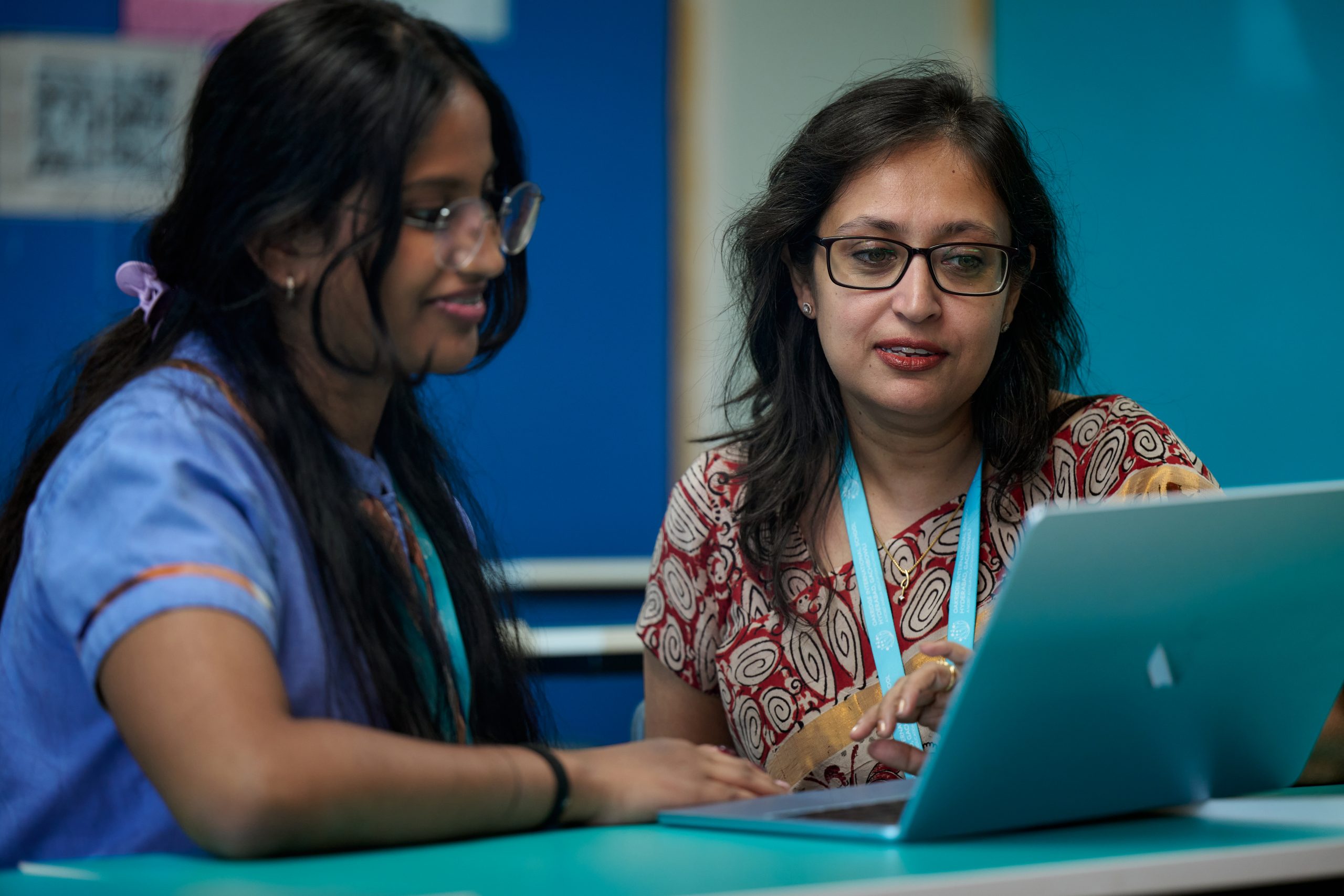
Ms Mohammed, Head of EdTech, explains: “With AI taking over this data-driven world in every aspect of our lives, critical thinking skills are the need of the hour. We humans need to carefully analyse and evaluate the tonnes of information that we come across in our day-to-day lives and take informed and calculated decisions at various junctures.”
Rather than simply consuming information, students need to learn how to question it, assess its reliability, consider different perspectives, and draw reasoned conclusions. These skills help learners navigate complexity and respond thoughtfully to change.
As Ms Mohammed notes, “Critical thinking empowers students to evolve alongside a world that is constantly changing, enabling them to make decisions while facing new challenges.”
Students participate in sessions that build awareness of the ethical and responsible use of AI and technology. This guidance is reinforced through classroom discussions as well as the school’s AI and ICT policies.
However, technology is not positioned as the centre of learning. According to Ms Mohammed, “AI and technology have never been a centre of learning at Oakridge; it remains the major aid as integrated learning, complementing the process that fosters skills like emotional intelligence, creativity, and human interaction.”
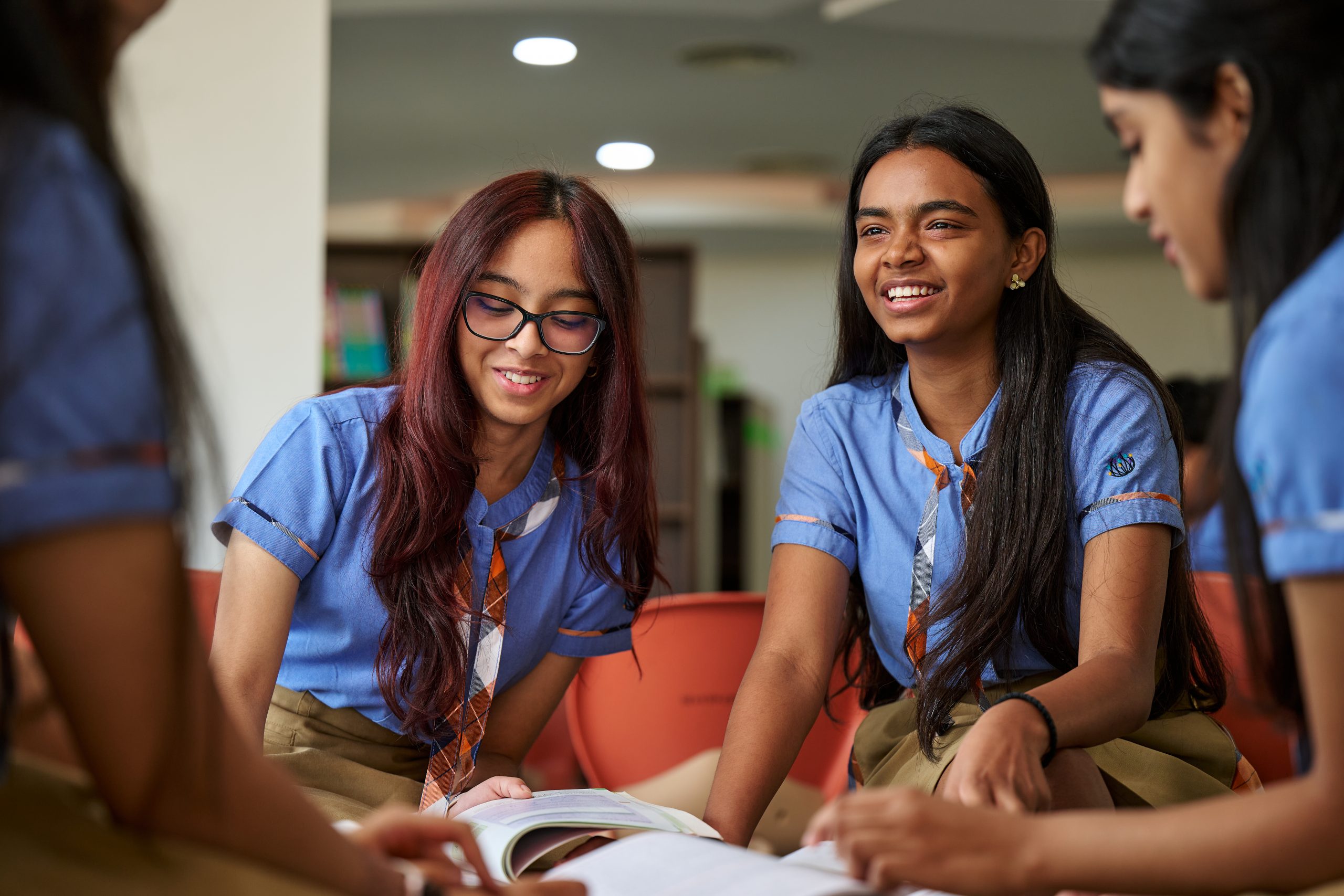
This distinction is important. Technology can support learning, but it does not replace the need for students to communicate effectively, build relationships, work collaboratively, and understand the perspectives of others.
The future will require more than technical competence. Students will also need the ability to collaborate, adapt, and make responsible decisions in situations where there may not be a single correct answer.
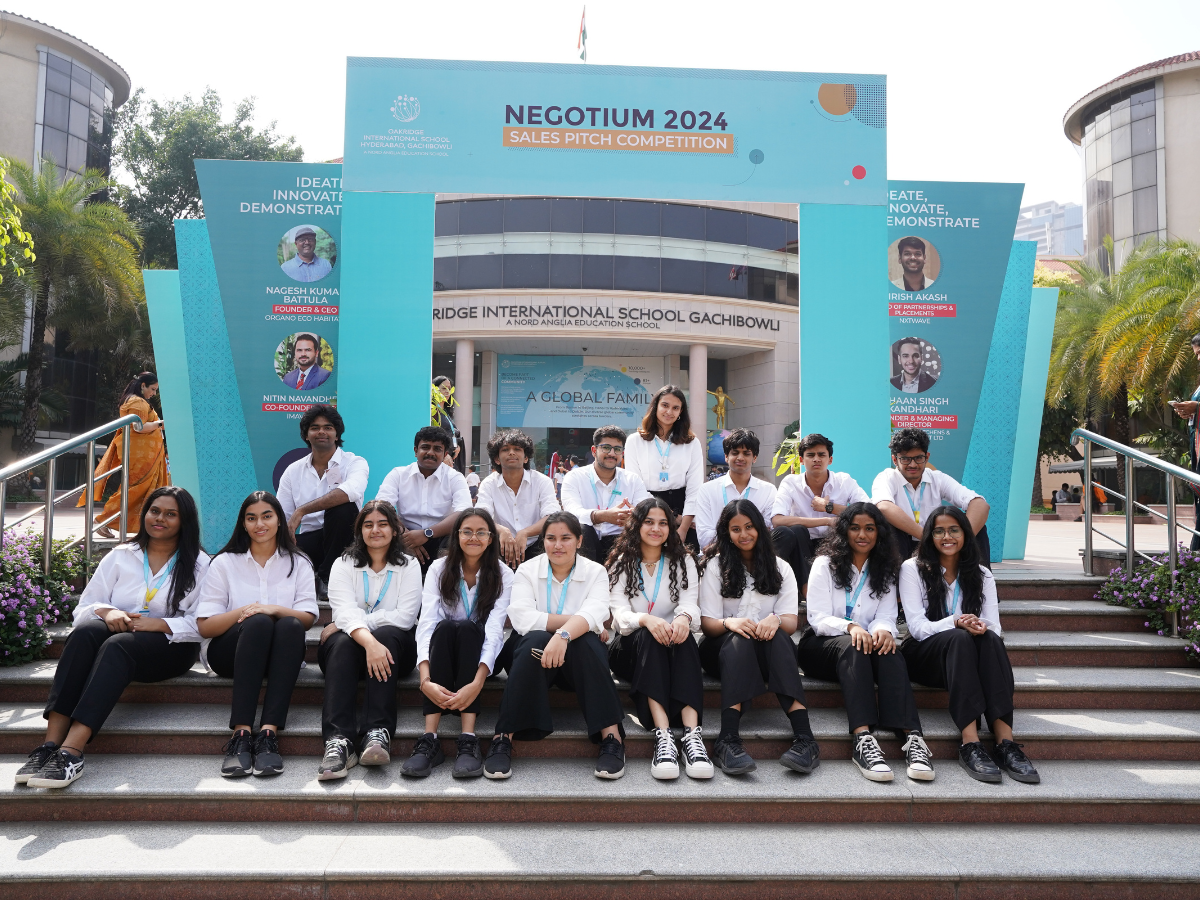
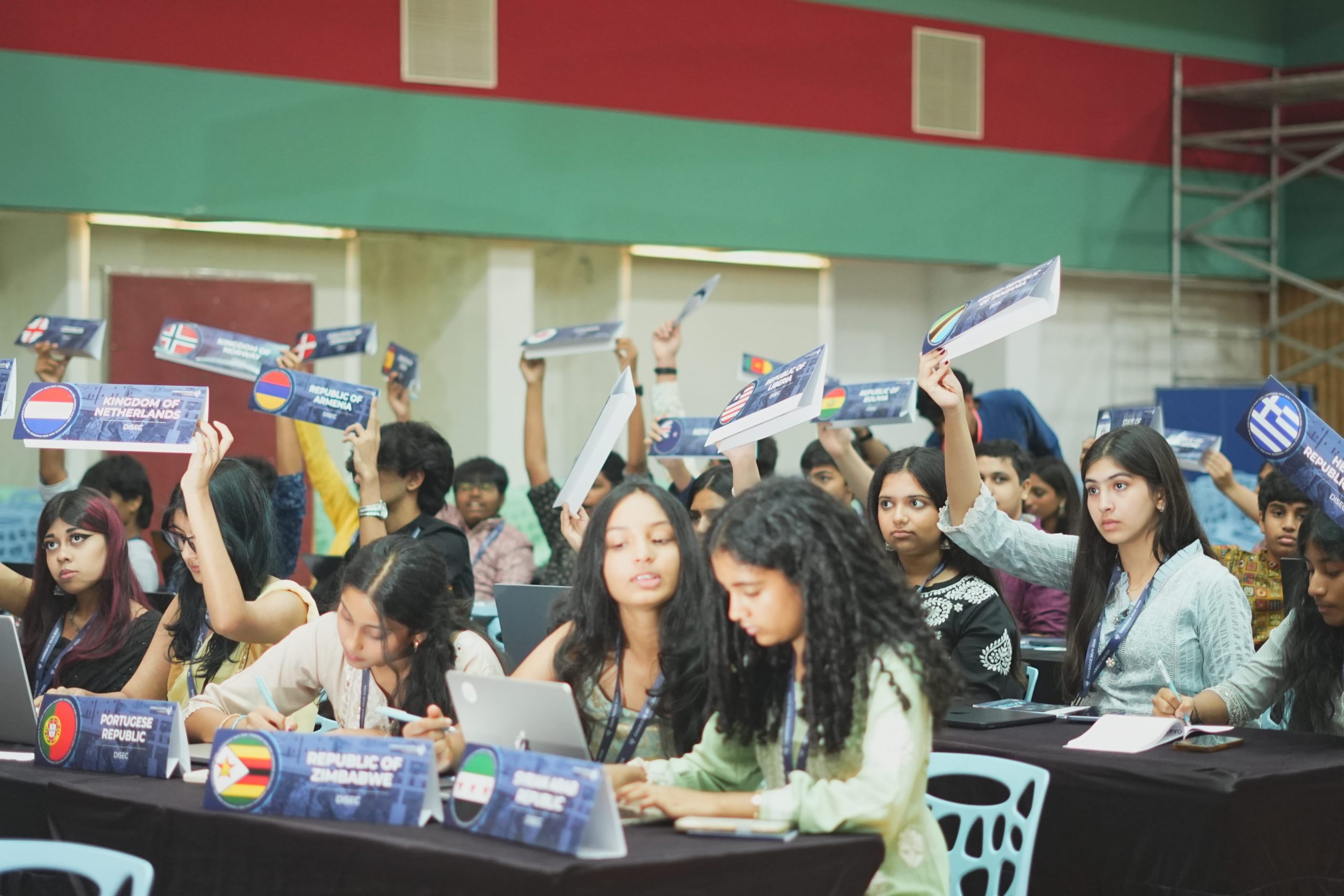
To support this development, students participate in experiences such as leadership camps, Model United Nations (MUN), CAS projects, and other collaborative initiatives that encourage them to work with others, consider different viewpoints, and take initiative.
Ms Mohammed explains: “With compassion as the core skill, students are trained to perceive situations and challenges through the lens of humanity and provide balanced solutions.”
These opportunities provide a practical environment in which students can develop leadership, communication, and teamwork skills. They also help learners understand the role that ethics and empathy play in decision-making.
For Principal Dipika Rao, the discussion about artificial intelligence ultimately comes back to human values. She explains: “AI is a creation of the human mind; it did not create the human mind. What truly makes us human are our values. If we want to retain the privilege of being human, we must retain our humanity.”
The qualities she identifies- empathy, compassion, respect, trust, and integrity- are developed through lived experience and human relationships rather than through technology alone.
As she notes, “Technology can support learning, but it cannot replace the lived experiences that shape character. Human values cannot be automated.”
This perspective shapes the school’s broader approach. While students learn to engage with emerging technologies, they are also encouraged to think independently, act responsibly, and understand the impact their decisions have on others.
Ms Dipika Rao further observes that many challenges associated with technology stem not from the technology itself, but from how it is used. Strong judgement, ethical awareness, and a clear moral compass therefore become increasingly important as technological capabilities expand.
Ultimately, the future is unlikely to be shaped by technology alone. It will be shaped by people who can think independently, act with integrity, collaborate effectively, and apply technology responsibly. By prioritising these human skills alongside digital literacy, Oakridge helps students prepare not only for future careers, but for thoughtful and purposeful lives. Visit the school now to know more about our programmes.