From Pocket Money to EMIs: How Financial Literacy Begins at Oakridge Mohali
- 22 May 2026

In today’s fast-evolving world, convenience is everywhere. From instant online purchases to easy monthly instalments, modern lifestyles are designed to make spending effortless—and often irresistible. However, while consumption has become easier, income levels do not always keep pace. This growing gap makes financial literacy for students more important than ever.
At Oakridge International School, Mohali, we believe education must go beyond textbooks. In a world driven by choices and consumption, students need to develop not just academic knowledge but also essential life skills—especially the ability to make sound financial decisions.
Financial decisions are no longer limited to adults with full-time jobs. Today’s students are exposed to digital payments, online shopping, and EMI-based purchases far earlier than previous generations.
But here’s the challenge:
While access to financial tools has increased, understanding of money management hasn’t kept pace.
This is where financial education in schools becomes critical. When students understand concepts like budgeting, saving, assets, and liabilities early on, they are better prepared to navigate real-world financial responsibilities later in life.
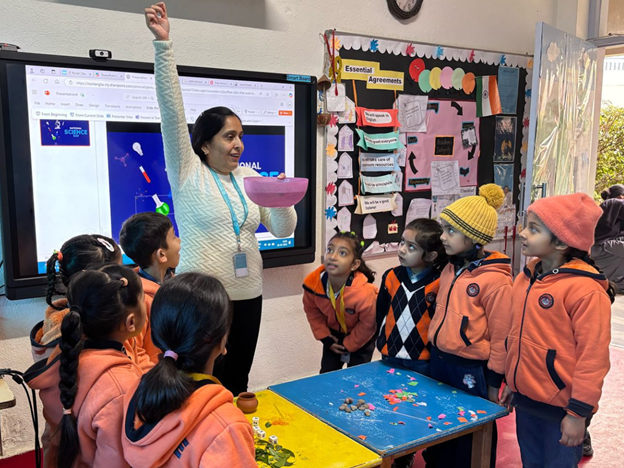
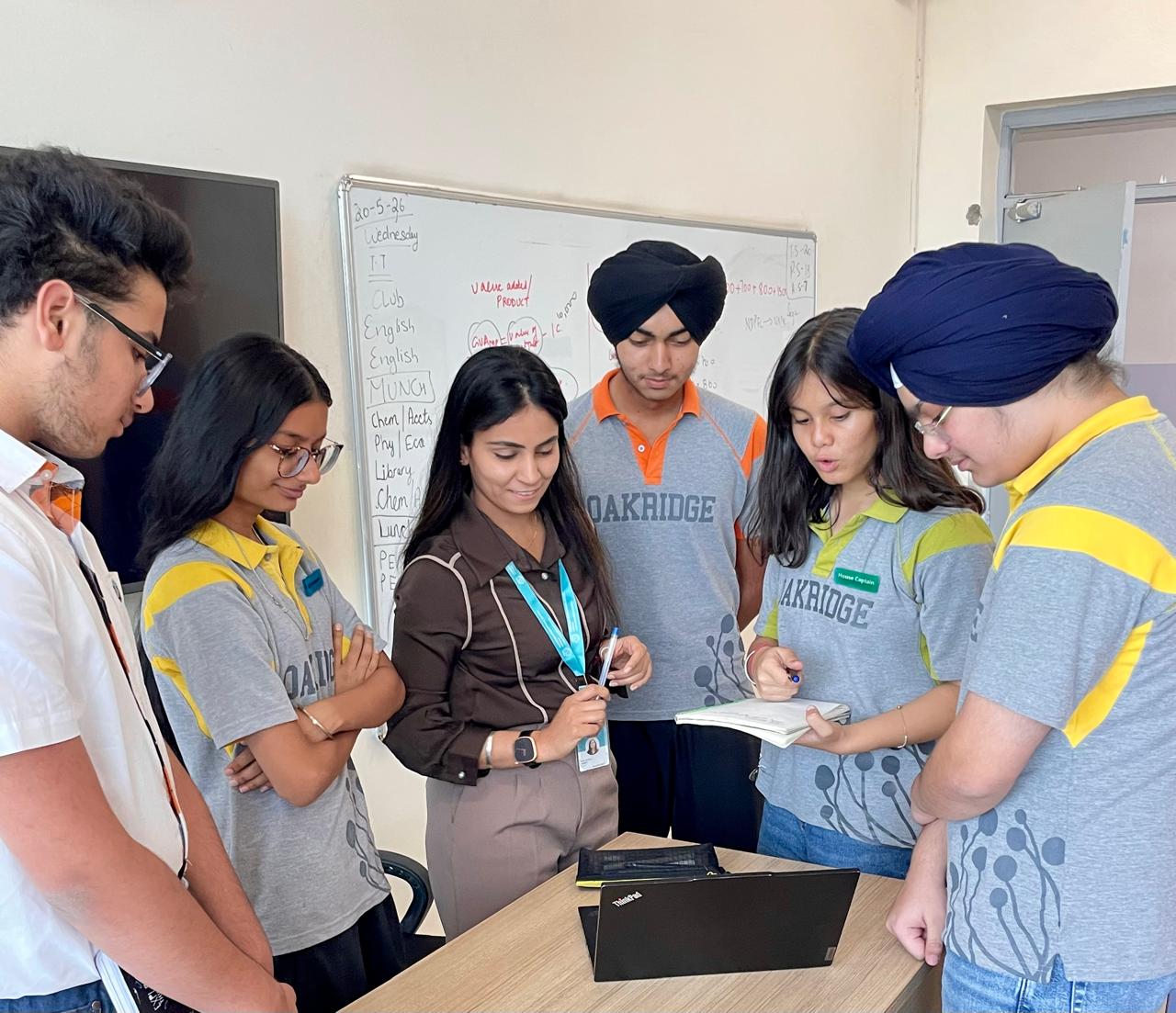
Subjects like Accountancy and Business Studies offer a strong foundation for financial understanding. At Oakridge, teaching goes beyond theory—we connect classroom concepts to real-life situations to make learning meaningful.
As a commerce teacher, I often witness moments that are both amusing and insightful.
One student once shared, quite casually:
“Ma’am, we bought a new phone on EMI.”
When asked how the EMI would be paid, he replied:
“From pocket money.”
Another added:
“Ma’am, mummy said it’s only ₹2,000 per month.”
These responses highlight a common misconception—that affordability is determined by the size of the instalment rather than the overall financial impact.
Such classroom interactions reveal the gap between financial behaviour and financial understanding:
These examples underline a critical point:
Students are engaging with financial products without fully understanding long-term consequences.
What’s encouraging, however, is that discussions around money are not limited to commerce students. Learners across streams—science, humanities, and beyond—actively participate.
This reflects an important truth:
Financial literacy is universal.
Regardless of career paths, every individual will eventually manage:
At Oakridge International School, Mohali, we aim to create future-ready learners who are not just academically proficient but also financially aware.
Imagine if students learned about:
Early exposure ensures that financial decisions are driven by awareness, not impulse.
Just as we prioritise physical and emotional well-being, financial well-being must be nurtured from a young age.
If students can master complex formulas, scientific theories, and global concepts, they can certainly learn how to:
Because one day, pocket money will turn into a salary—and the EMIs will still be waiting.
At Oakridge International School, Mohali, we are committed to holistic education that prepares students for life beyond school. Financial literacy is not just an additional skill—it is a necessity in today’s world.
By introducing these concepts early, we empower students to make informed choices, avoid common financial pitfalls, and build a secure future.
Drafted by:
Ms. Mitali Singla
Commerce Facilitator