How Oakridge Gachibowli measures student learning beyond exams
- 24 April 2026


Most parents know that exams are only one part of a child’s progress. A test score tells you what a child answered one day, but it doesn’t often reveal how they think, question, or collaborate. At Oakridge Gachibowli, learning is treated as an ongoing journey, one that is shaped by everyday classroom experiences, meaningful feedback, and collaboration between classmates.
Across grades, teachers use a clear approach to measuring progress that goes far beyond examinations. This approach helps students build confidence, take ownership of their learning, and develop skills that grow steadily over time.
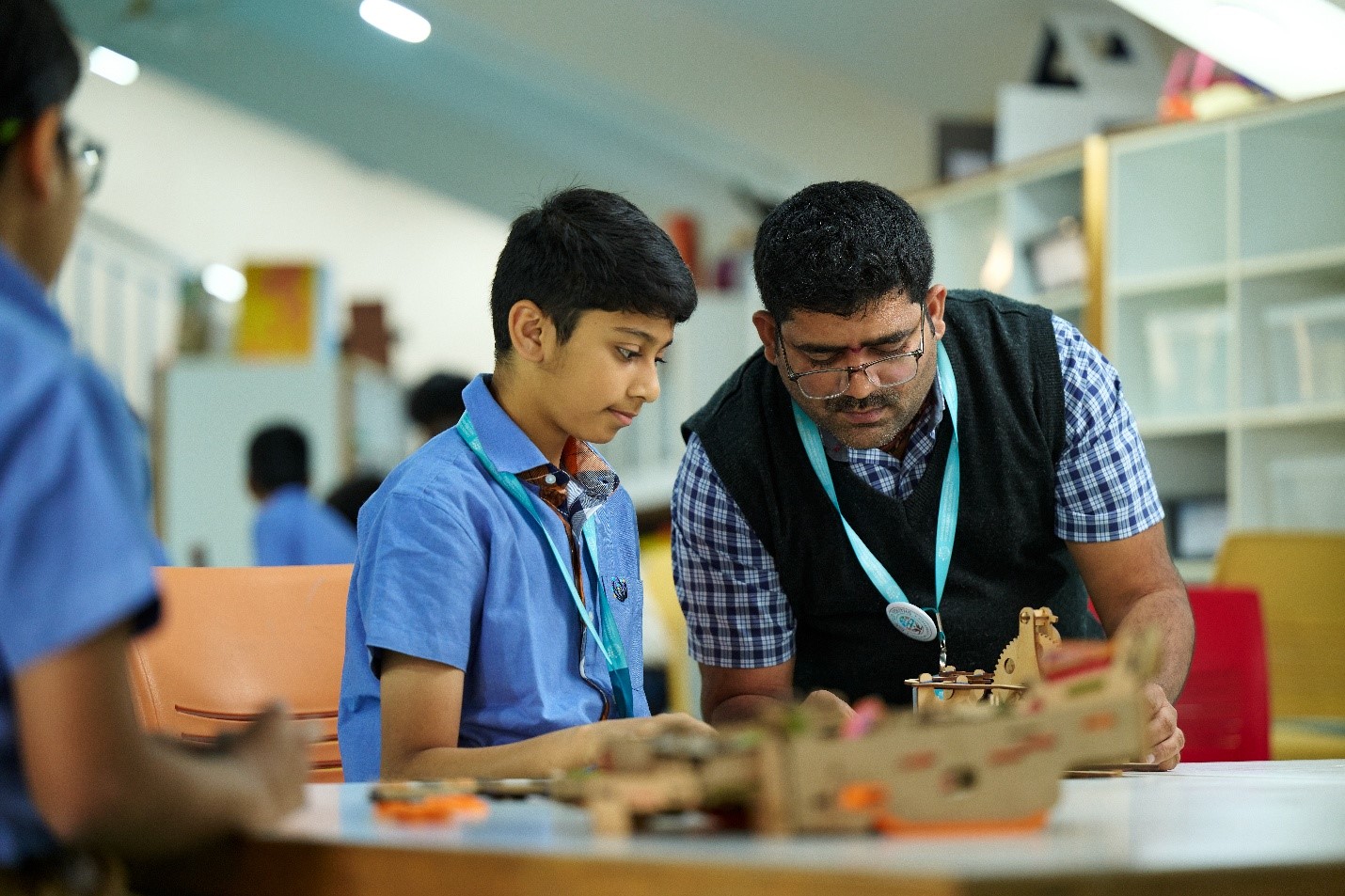
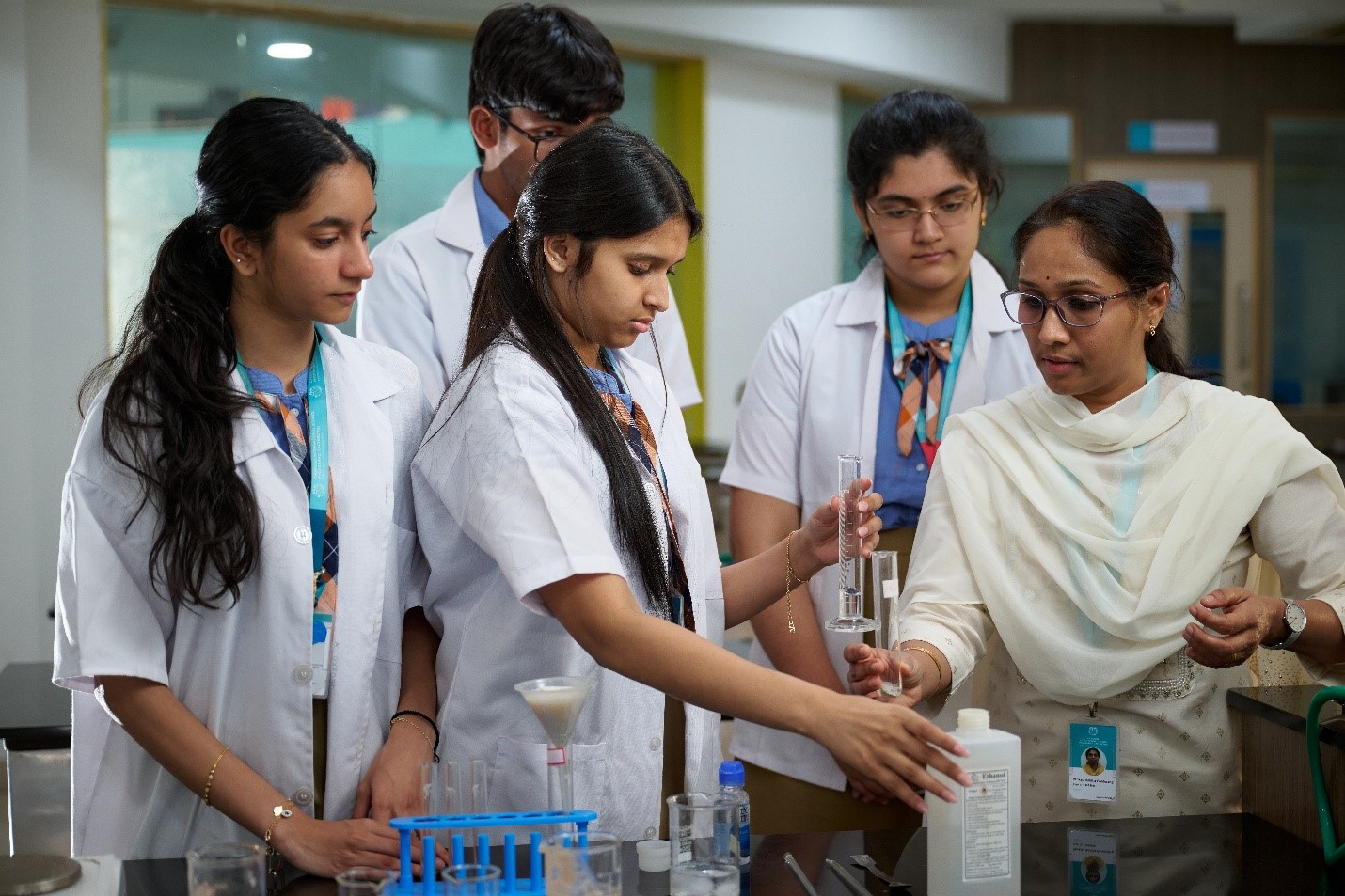
Across all grade levels, teachers use a blend of daily learning activities and end‑of‑unit assessments to understand how students think and apply concepts. In the classroom, this includes quizzes, assignments, projects, discussions, reflections, and practical tasks. These help teachers understand student strengths and identify where they may need additional support.
In the early and primary years, teachers’ pay close attention to subtle signs of development, how a child expresses an idea, collaborates with a peer, or reflects in their notebook. Anecdotal observations, checklists, rubrics, and classroom interactions reveal a child’s growing confidence far more vividly than test scores ever could. Students share their understanding through exhibitions, presentations, and student‑led conferences. Their notebooks and portfolios show not just what they learned but how they learned it. As Vasundhara Achanta, Programme Coordinator for Primary Years, explains:“In our early years, growth is woven into everyday moments. Every conversation, every creation, every reflection becomes evidence of understanding and curiosity taking shape.” When students move into the middle years, the focus shifts toward conceptual clarity and the ability to connect ideas thoughtfully. Ms. Sonu Parik, Head of Middle Years, adds:
“In the Middle Years, assessment is a window into thinking. We look for how students analyse, question, and weave ideas together. That’s where true understanding lives.”Teachers use discussions, projects, reflection tasks, and analytical activities to understand how students’ reason, interpret, and synthesise information. Summative assessments reflect these same expectations but capture learning over time. Weekly documentation, especially through the Weekly Transaction Report, gives parents a clear sense of ongoing progress.
As students advance into higher grades, their learning becomes more structured, refined and looks to stimulate deeper thinking. Each stage builds on earlier understanding, and students are expected to demonstrate deeper thinking and apply concepts with increasing independence. Their cumulative learning is evaluated through assessments, term exams, practical or viva assessments, and ultimately the Board examination. Rukmani Kumar, Head of Higher Grades (CBSE), reflects on this progression:“In the senior years, cumulative learning becomes especially important. Each assessment whether a term exam, practical, or viva helps students consolidate what they’ve built over time and prepares them with confidence for their Board examinations.”
Oakridge’s strength lies in its consistent approach to documenting progress across all grade levels. This consistent and thoughtful documentation practice is central to the Oakridge holistic learning system, a model that sets the school apart among IB schools in Hyderabad. Teachers track learning throughout the week through classwork, notebooks, reflections, and samples of what students create. This steady flow of evidence helps teachers see what students have understood, where they may need more guidance, and how their confidence and skills are developing over time. Ms. Achanta shares:“Our continuous documentation approach gives us a complete picture of each student’s learning journey, and we can identify learning gaps early and celebrate growth as it happens.”
In the middle and higher grades, this documentation becomes more structured. The Weekly Transaction Report offers parents a clear view of weekly learning, while detailed assessment records and student work samples help teachers confirm that learning objectives are being met and adjust lessons accordingly.Ms. Deepalatha Subramanian, Head of IBDP, explains:“By closely reviewing student work and detailed assessment records, we are able to track progress in real time, adapt our teaching, and reinforce concepts where needed.”
Oakridge prioritises keeping parents and guardians informed and actively connected to their child’s learning through simple, consistent, and meaningful communication channels. The focus is on ensuring that parents not only receive updates but also clearly understand how their child is progressing.
Work samples are regularly shared through the Weekly Transaction Report, giving parents a snapshot of what their child is learning and how they are participating in class. When needed, updates are also shared via WhatsApp for quick communication. Assessment results are communicated through email, while teachers connect with parents through online meetings or phone calls during assessment cycles. In‑person discussions at the end of each term offer a more detailed review of overall development. Parent–Teacher–Student Meetings further strengthen this connection by creating a space for dialogue, feedback, and reflection.
Together, these touchpoints ensure parents can clearly and meaningfully track their child’s journey.
Want an education that measures real understanding, not just marks? Schedule a campus visit to Oakridge Gachibowli.