How Oakridge International School Gachibowli Sustains High Quality Teaching Across IB and CBSE
- 24 April 2026

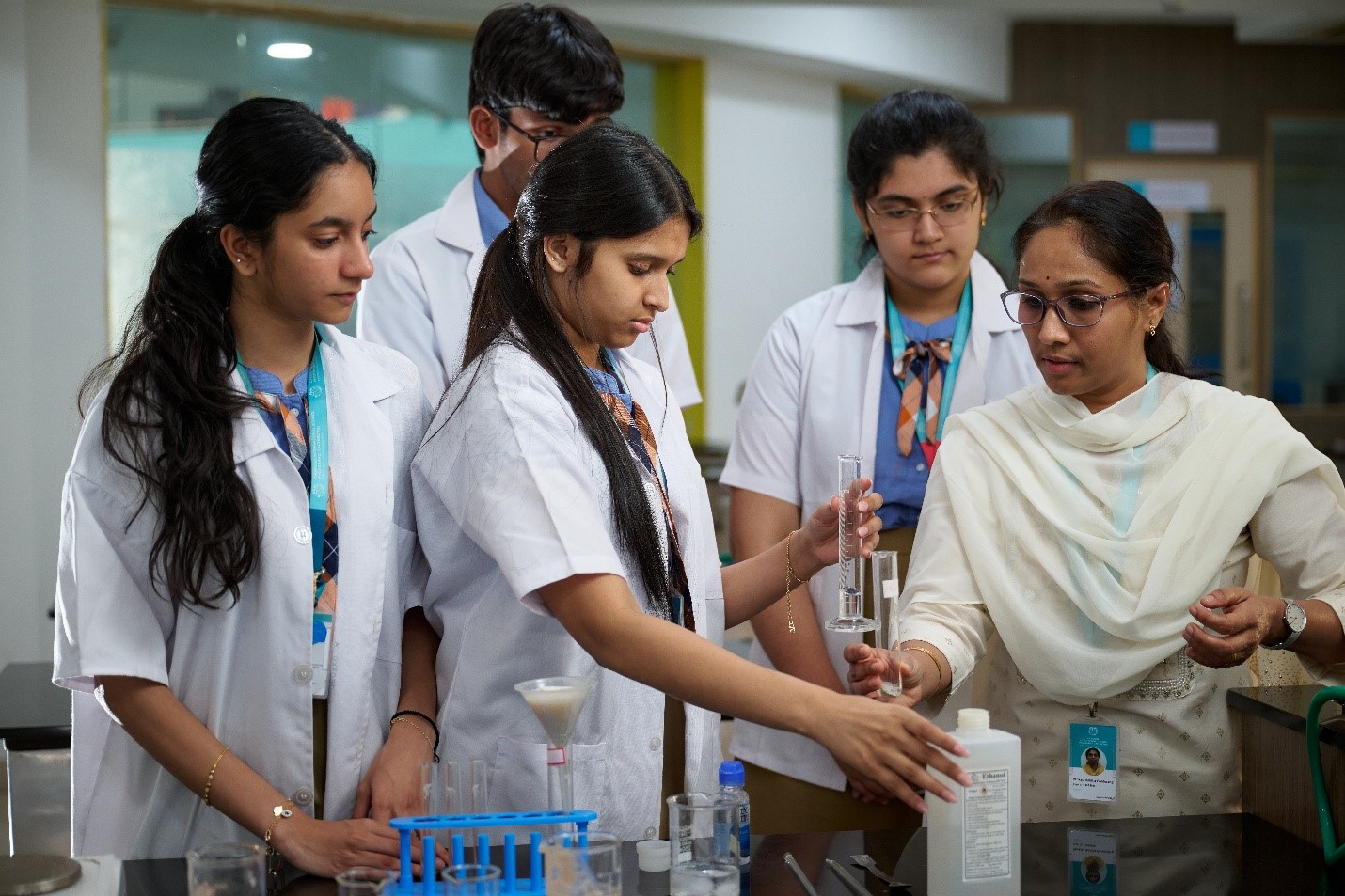
Parents often notice exceptional lessons, but it is consistent teaching over several years that truly shapes academic confidence and outcomes. Strong learning results are built over time through shared expectations, steady instructional practices and careful monitoring of how students progress year after year. For families choosing Oakridge International School Gachibowli, the real indicator of quality lies in how teaching standards are sustained across grades and curricula, not just how learning looks at a particular moment.
At Oakridge Gachibowli, teaching quality is treated as a structured academic system rather than an individual classroom experience. Whether students follow the IB or CBSE pathway, instructional quality is anchored in clearly defined expectations, disciplined planning practices and ongoing academic oversight. This ensures continuity in learning as students move between grades and prepares them for long‑term academic progression.
When a school offers more than one curriculum, parents rightly want clarity on how teaching quality is defined and maintained. At Oakridge Gachibowli, leadership begins by establishing what effective teaching means within each framework, while ensuring alignment around rigour, depth of understanding and academic purpose.
In the IB, teaching is designed to promote inquiry, conceptual understanding and student agency. Students are encouraged to explore ideas, make connections and apply learning across contexts. Sonu Parik, Head of MYP, explains that “the IB emphasises inquiry‑based learning, conceptual understanding and global‑mindedness, where students are encouraged to think deeply and apply their learning rather than focus only on memorisation.”
In CBSE, instructional quality is expressed through structured progression, competency‑based learning and strong academic foundations aligned with national standards. Rukmani Kumar, Head of CBSE, adds that “instructional quality in CBSE is defined through structured learning, competency‑based outcomes and strong academic foundations, ensuring clarity of expectations and academic rigour at every stage.”
Together, these approaches allow Oakridge Gachibowli to offer distinct pathways without compromising consistency or academic credibility.
One of the most common parent concerns in academically focused schools is inconsistency between classrooms or year groups. Oakridge international teaching approach addresses this directly through collaborative planning structures that bring teachers together regularly.
Teachers align units, learning objectives and assessments well before lessons reach students. Common rubrics and shared task expectations ensure that assessment standards remain consistent across sections and grades, reducing dependence on individual teaching styles.
In the Primary School, this process is firmly embedded. Ritu Agarwal, Head of PYP, explains that “collaborative planning ensures teachers align units, objectives and expectations across grades and subjects, while shared assessment frameworks and rubrics provide uniform feedback based on common criteria.”
Quality assurance at Oakridge Gachibowli does not rely solely on plans or reports. Teaching is regularly reviewed through structured classroom walkthroughs and observations that focus on learning in action.
These walkthroughs allow academic leaders to understand how questioning, feedback and engagement are supporting student understanding. Moderation of student work further strengthens this process by aligning expectations and ensuring fairness in assessment across classes.
According to Sonu Parik, “walkthroughs provide real‑time insights into classroom practices, while moderation ensures consistency and fairness in assessment by aligning teachers’ expectations and standards.” For parents, this means grades and feedback are reliable indicators of progress rather than isolated classroom judgements.
Sustaining high quality teaching over time requires continuous investment in teacher expertise. At Oakridge Gachibowli, professional development is structured, purposeful and closely linked to classroom practice.
Teachers participate in regular internal workshops, curriculum‑aligned training and professional reflection cycles informed by observation and student performance data. In the IB PYP, professional learning is formally mandated, alongside safeguarding certification renewal.
Ritu Agarwal notes that “professional development cycles create structured opportunities for reflection, alignment and growth, strengthening teaching and learning practices over time.” This ensures teaching quality evolves thoughtfully in response to curriculum expectations and student needs.
Ultimately, consistency is measured through student progress. Across IB and CBSE, Oakridge Gachibowli uses goal setting with students and parents, analysis of results against targets, and data‑informed feedback to monitor learning over time. These processes allow early academic intervention and provide transparency for families.
At Oakridge International School Gachibowli, teaching quality is sustained through clarity, structure and academic oversight. For parents considering IB Schools in Gachibowli or evaluating Best Schools in Gachibowli with strong CBSE pathways, this systemic approach offers confidence that academic standards remain consistent across years. Parents are always welcome to engage in thoughtful conversations with academic leaders to better understand how these structures support each child’s long‑term learning journey.