How the Oakridge assessment approach helps parents understand real learning beyond marks
- 5 May 2026


In many classrooms, learning is often presented through a single score. Yet parents know instinctively that a child’s real progress cannot be captured fully by one test or worksheet. At Oakridge Mohali, teachers look far beyond marks to understand how students think, apply ideas and grow from week to week. This approach sits at the heart of the Oakridge assessment approach and shapes how meaningful progress is tracked across all grades.
At Oakridge Mohali, progress tracking is not an occasional activity. It is embedded in the weekly rhythm of learning and supported by a range of tools that allow students to demonstrate their thinking in different ways.
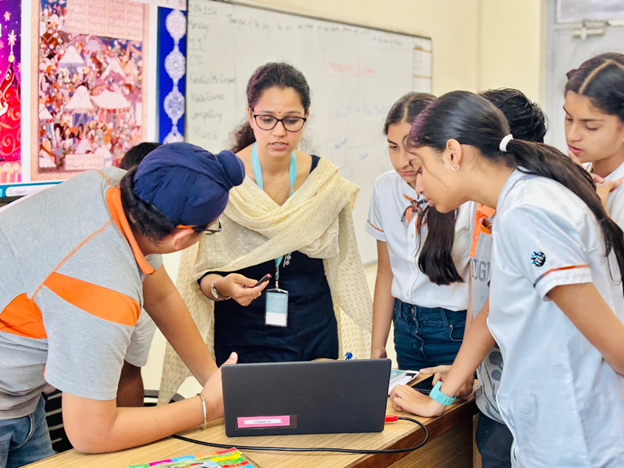
Grade 4 HRT Ms Staffy Rockson explains, “We use several tools to track progress. This includes an assessment tracker, ongoing assessments, daily recapitulation, worksheets, the log book, class presentations, charts and model making, and student‑led research and surveys.”
Each tool highlights a different aspect of learning. Ongoing assessments show how well students can apply concepts during lessons. Daily recaps make sure understanding is secure before new content is introduced. Presentations and research tasks allow teachers to see how confidently students can explain ideas beyond written work.
Students are encouraged to choose the format that best fits their thinking. As Ms Rockson notes, they “have complete freedom to express their understanding with any sort of presentation, whether digital, verbal or using visual tools.” This ensures that teachers see the full range of a student’s learning, not just what fits into a traditional test format.
Parents often ask how they can follow their child’s progress closely without relying solely on report cards. Oakridge Mohali has established structured communication systems so families can see learning as it unfolds.
“All the evidence is shared with parents,” says Ms Rockson. This includes weekly transactional reports, weekly messages with photographs of classroom activities, daily homework and classwork trackers, the parent digital folder, the log book, weekly calls and regular WhatsApp messages.
The goal is clarity. Parents receive regular snapshots of their child’s engagement, strengths and areas needing reinforcement. This ongoing communication helps parents support learning at home and understand exactly how progress is being measured.
Tracking progress at Oakridge Mohali is not only the responsibility of individual teachers. School leaders monitor trends across grades to ensure consistency, identify patterns and allocate support where needed.
According to Ms Rockson, leadership oversight includes “regular team meetings, sharing best practices, teaching demos, school records and software, keeping regular checks on grade‑wise progress and assessment data review.” This structured review process allows the school to look beyond isolated results to understand the bigger picture.
The impact of this oversight is significant. When leaders and teachers review data together, they can strengthen alignment between grades, ensure continuity in skills development and intervene early where additional support is needed.
For students, the Oakridge student progress tracking approach creates a learning environment where effort, thinking and application matter as much as marks. Teachers identify misunderstandings quickly, celebrate conceptual breakthroughs and provide targeted guidance that shapes the next step in learning.
This approach also aligns strongly with the philosophies of modern international curricula, including frameworks used in leading International Schools in Bangalore and globally, where depth of understanding and inquiry‑driven learning form key foundations.
The systems in place at Oakridge Mohali ensure that every student’s progress is monitored with care and precision. The result is a clear, accurate and continuous understanding of how each child is developing academically.
Parents want insight. The Oakridge learning model ensures that teachers, leaders and families share a common and current picture of each learner’s journey. By tracking real learning rather than relying solely on test scores, the school builds a strong foundation for long‑term academic growth.
If you would like to know more about how assessment data is reviewed or how weekly learning evidence is gathered, our academic team would be pleased to have that conversation with you.