What Student Independence in Primary Years at Oakridge Vizag Looks Like
- 6 July 2026

The word “independence” in an educational context sounds encouraging in theory but vague in practice. Parents want to know what it means for their child on an ordinary Tuesday morning — not as a philosophy, but as something visible. At Oakridge International School, Visakhapatnam, the Primary Years Programme is designed around a specific and structured answer to that question.
From Direction to Ownership
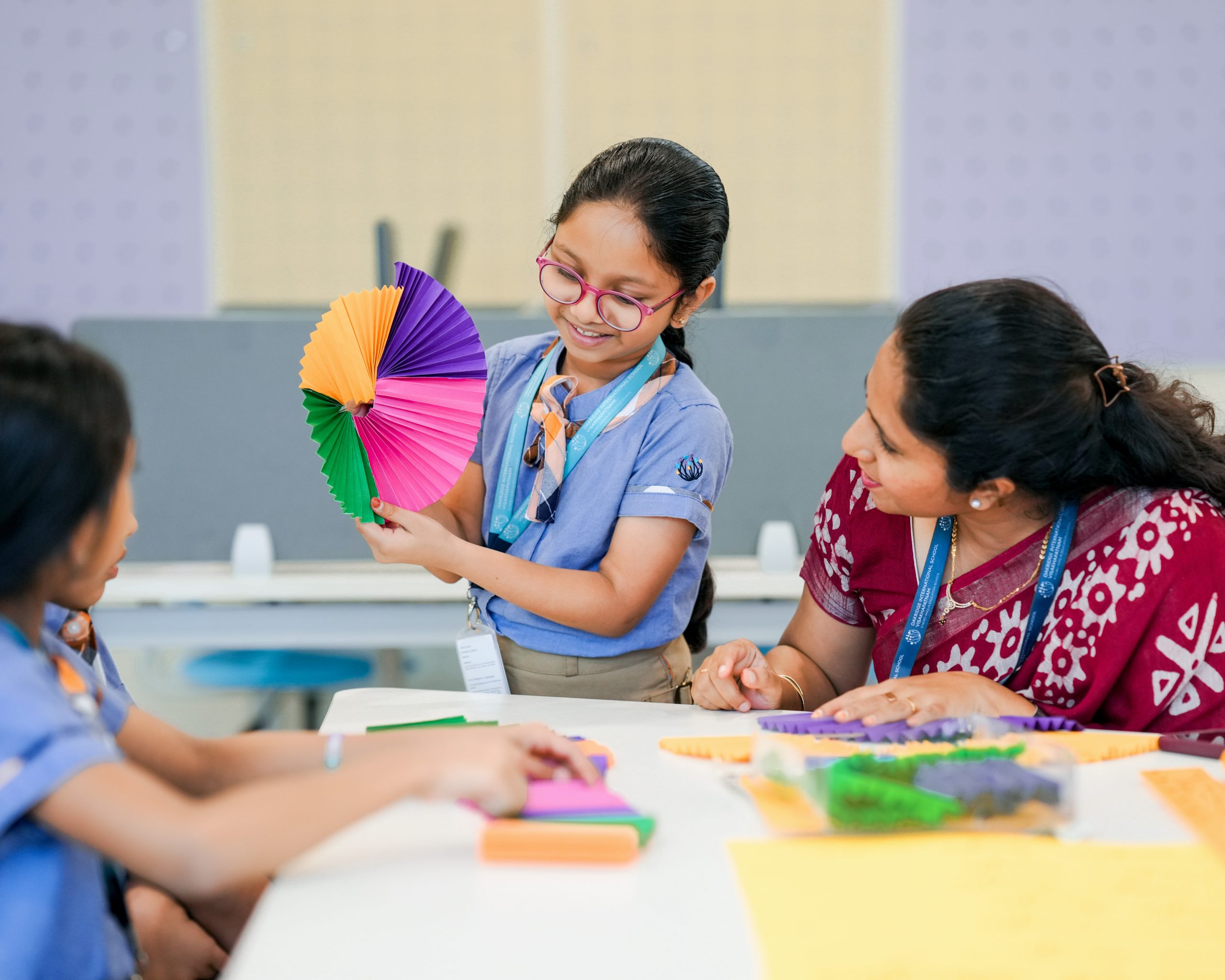
At the heart of primary years learning at Oakridge Vizag is a gradual and deliberate shift in responsibility. Teachers do not simply deliver content and expect students to absorb it. Instead, they model strategies, provide structured support, and progressively withdraw that scaffolding as confidence builds.
Ms. Dimple Thompson, Head of Primary Years at Oakridge International School, Visakhapatnam describes the process clearly: “Teachers gradually shift from directing learning to facilitating it, giving students increasing responsibility over time. They model strategies, provide guidance, and scaffold tasks. As confidence grows, students make choices, set goals, and solve problems independently.”
This progression is built into how lessons are planned and how learning is observed over time.
What the Classroom Actually Looks Like
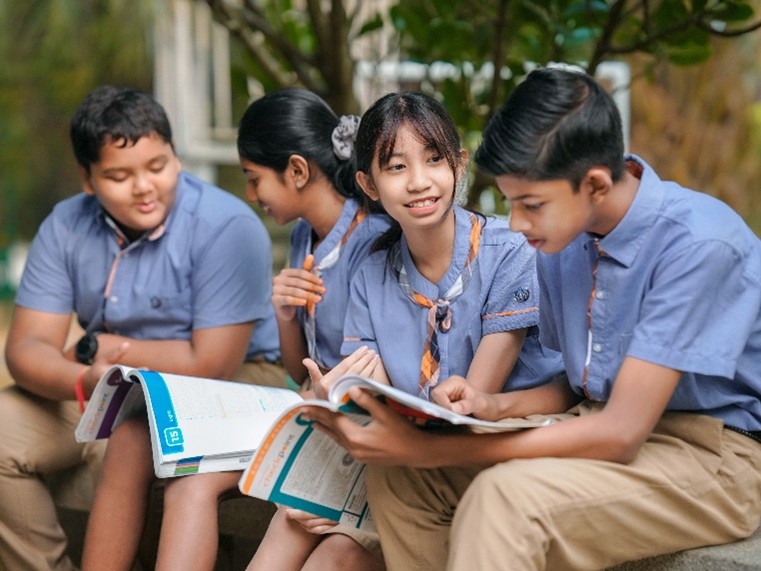
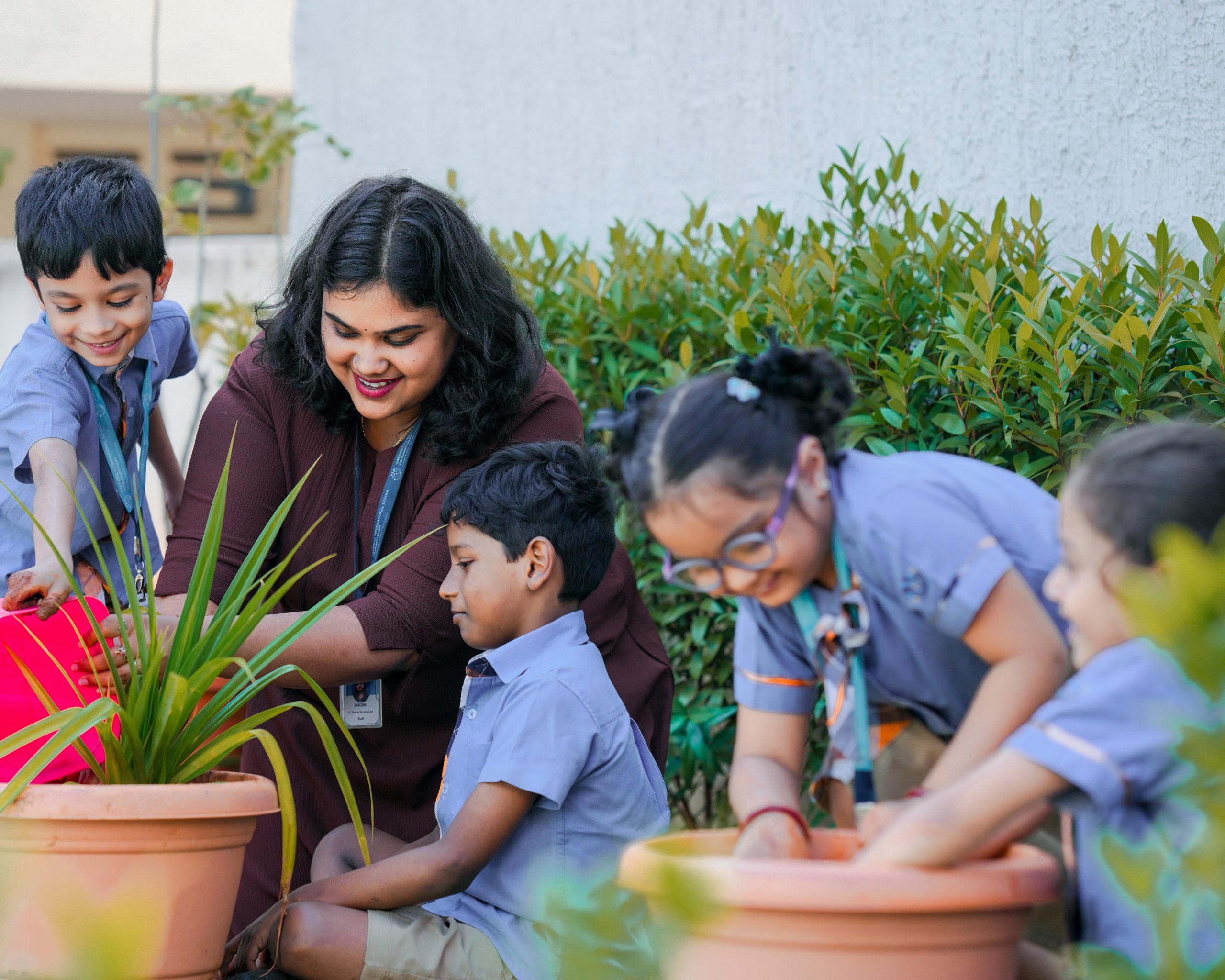
A student in the Primary Years Programme might begin a unit by watching their teacher work through a process — researching a topic, structuring a response, or organising information. They are then given guiding questions and checklists to support their own attempts. Later in the unit, the student may choose how to present their findings: through a model, a poster, or a spoken presentation.
That choice matters. It requires the student to understand their own strengths, make a decision, and take responsibility for the outcome. These are not small things for a young learner, and they do not happen by accident.
Reflection as a Learning Tool
Alongside structured choice, regular reflection is built into the rhythm of learning. Students are consistently asked to look back at their work: what did they do well, where did they find difficulty, and what would they do differently?
Ms. Dimple notes that this reflective practice directly shapes how students understand their own progress: “Regular reflection helps learners evaluate their progress and identify next steps.” Over time, this habit means students begin to self-correct and self-direct — not because they are told to, but because they have learned to read their own learning.
Signs Parents Can Look For at Home
One of the most reassuring aspects of this approach is that its effects are often visible beyond school. Parents frequently notice that their child begins asking more questions, not just answering them. They show curiosity about topics that were not assigned. They take initiative in organising their own tasks or setting small personal goals.
As Ms. Dimple observes, “A child is becoming more curious and self-driven when they begin asking thoughtful questions and seeking answers independently. They show greater interest in exploring topics beyond classroom requirements. They take initiative in completing tasks, organising their work, and setting personal goals.”
These are the observable outcomes of a curriculum designed to build learners who do not depend on being told what to do next.
Building Learners with a Long View
The Primary Years Programme at Oakridge International School, Visakhapatnam is not simply preparing students for the next academic stage. It is building a set of dispositions — curiosity, initiative, self-awareness — that will serve students through secondary school and beyond.
Independence, in this context, is not the absence of teacher support. It is what happens when the right support is given thoughtfully and then withdrawn with equal care. The result is a student who understands their own learning, trusts their own thinking, and is genuinely prepared to take on more complex challenges over time.
Parents with questions about how the Primary Years Programme is structured, or what progression looks like from year to year, are welcome to speak with the academic team at Oakridge Vizag. These are precisely the kinds of conversations that help families feel confident in their child’s learning journey.