Preparing Students for a World Shaped by AI and Rapid Change
- 11 March 2026

Technology is transforming the world at an extraordinary pace. Artificial intelligence, automation, and digital innovation are changing how industries work and how people solve problems.
For today’s students, this means one thing: the future will look very different from the present.
Many careers that exist today may evolve significantly in the coming decade. At the same time, entirely new fields will emerge. In this environment, education must prepare students not only with knowledge but also with adaptability and strong thinking skills.
Parents today are increasingly asking an important question: what kind of education prepares children for this future?
For many years, education systems focused heavily on memorisation and exam performance. While academic knowledge remains important, students today must also learn how to apply knowledge in real situations.
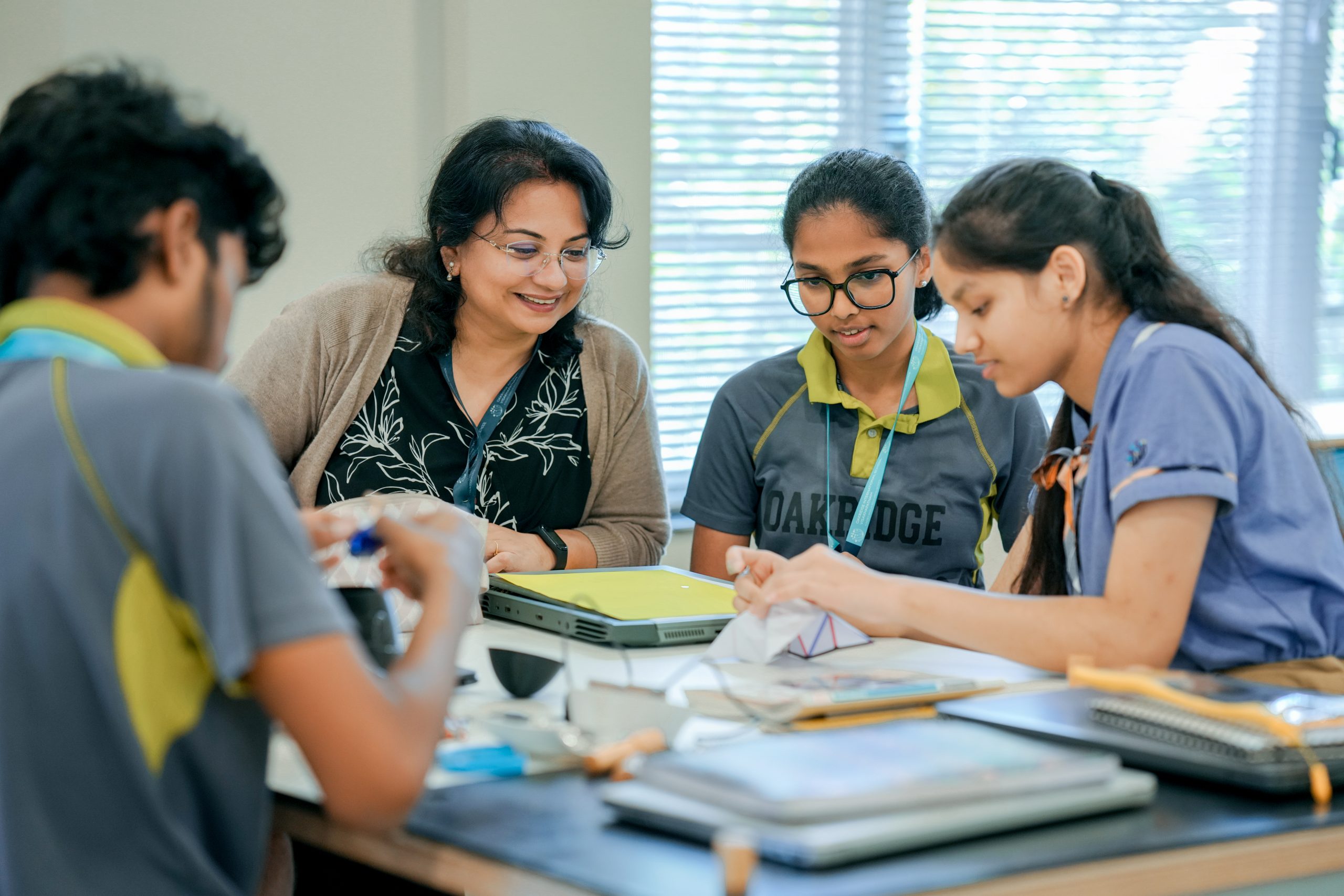
Future-focused classrooms encourage curiosity, discussion, and inquiry. Students explore problems, analyse ideas, and work together to develop solutions.
This approach helps children develop independent thinking, which is essential in a rapidly changing world.
In an age where information is available instantly, the real skill lies in understanding and evaluating that information.
Students must learn how to:
These abilities prepare children to navigate a world where technology can assist with answers but human judgement remains essential.
While machines are powerful at processing information, creativity remains uniquely human. Innovation often comes from imagination, curiosity, and experimentation.
Schools that integrate arts, design, and creative projects into their curriculum help students explore new ideas and perspectives.
Creative thinking allows students to approach challenges with flexibility. It encourages them to look beyond obvious answers and discover new possibilities.
Technology is now an integral part of education and everyday life. Students must learn not only how to use digital tools but also how to use them responsibly.
Digital literacy includes:
When guided thoughtfully, technology becomes a powerful tool for learning and collaboration.
As automation grows, human skills become even more valuable. Communication, empathy, and teamwork are essential abilities in any professional environment.
Schools that encourage collaboration, leadership, and community engagement help students build emotional intelligence. These qualities allow young people to work effectively with others and navigate challenges confidently.
The world is becoming increasingly interconnected. Students today will work in environments that involve global teams, diverse perspectives, and international opportunities.
Learning environments that promote global awareness help students develop a broader worldview. Exposure to different ideas and cultures encourages adaptability and open-minded thinking.
At Oakridge International School, Visakhapatnam, learning focuses on inquiry, collaboration, and global understanding. Students are encouraged to ask questions, explore ideas, and apply knowledge in meaningful ways.
This approach helps them develop the confidence and skills required to thrive in a world shaped by constant change.
Education today is not just about preparing for exams. It is about preparing students for life.
By encouraging curiosity, creativity, and critical thinking, schools help students build the skills they need to navigate an uncertain but exciting future.
When children learn how to think, not just what to learn, they become confident learners who are ready to shape the world around them.