Confident transitions at Oakridge Gachibowli that protect long-term academic pathways
- 14 May 2026

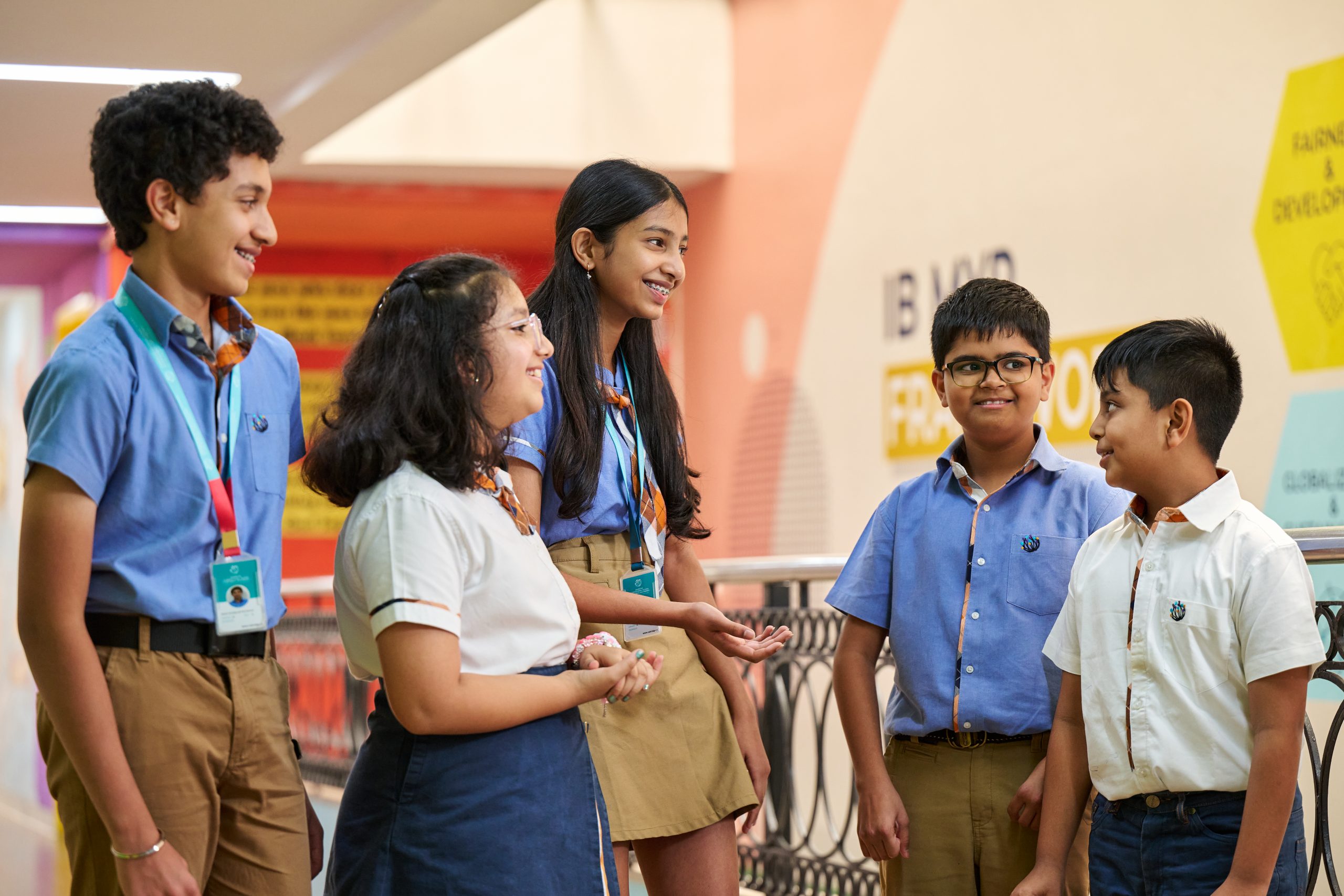
For many families moving to Hyderabad or shifting academic boards, the real concern is not the move itself but what follows. Will my child keep pace academically? Will a change in curriculum create gaps that show up later in results or university options? At Oakridge Gachibowli, admissions support is designed around a simple academic principle: transitions must reduce long-term decision risk, not transfer it to the learner.
This belief shapes how Oakridge approaches school transition support for families relocating to Gachibowli or shifting boards. The focus is on structured diagnosis, carefully sequenced bridging, and early academic alignment, so students settle quickly into an international curriculum pathway without compromising rigour or outcomes.
Transitions often fail when schools wait too long to understand what a student actually knows. At Oakridge Gachibowli, gap diagnosis begins well before the academic year, combining teacher insight with academic evidence.
“Diagnosing curriculum gaps requires an early, structured, and differentiated approach,” explains Deepalatha Subramanian, Head of IBDP. “We build an initial understanding using both anecdotal inputs from teachers and data-driven evidence such as Pre-Board results and aptitude test scores, ensuring a holistic view of each learner.”
Students are broadly understood as in-house or external candidates, and the process reflects these differences. Internal students transitioning within Oakridge benefit from orientation sessions to the International Baccalaureate Diploma Programme, mathematics aptitude testing, and guided subject-selection meetings that include parents, department leaders, and college counsellors. For external students joining from CBSE, ICSE, IGCSE, or state boards, diagnostic assessments and structured interactions focus on prior curriculum exposure, academic strengths, and future aspirations. These diagnostic tools are not entry barriers but placement instruments.
This systematic approach allows schools in Gachibowli Hyderabad to move beyond assumptions and ensure subject choices are academically defensible from the first day.
Academic readiness is only effective when operational confusion is removed quickly. For relocating families, Oakridge international school transition support includes a structured onboarding process in the first two weeks.
“We conduct an exclusive orientation to familiarise parents and students with school systems, academic expectations, and key contacts,” says Subramanian. “Parents receive access to academic handbooks, assessment timelines, and reference resources so there is clarity from the outset.”
This early transparency helps families understand how learning is monitored and assessed, particularly important for international curricula where expectations may differ significantly from previous boards.
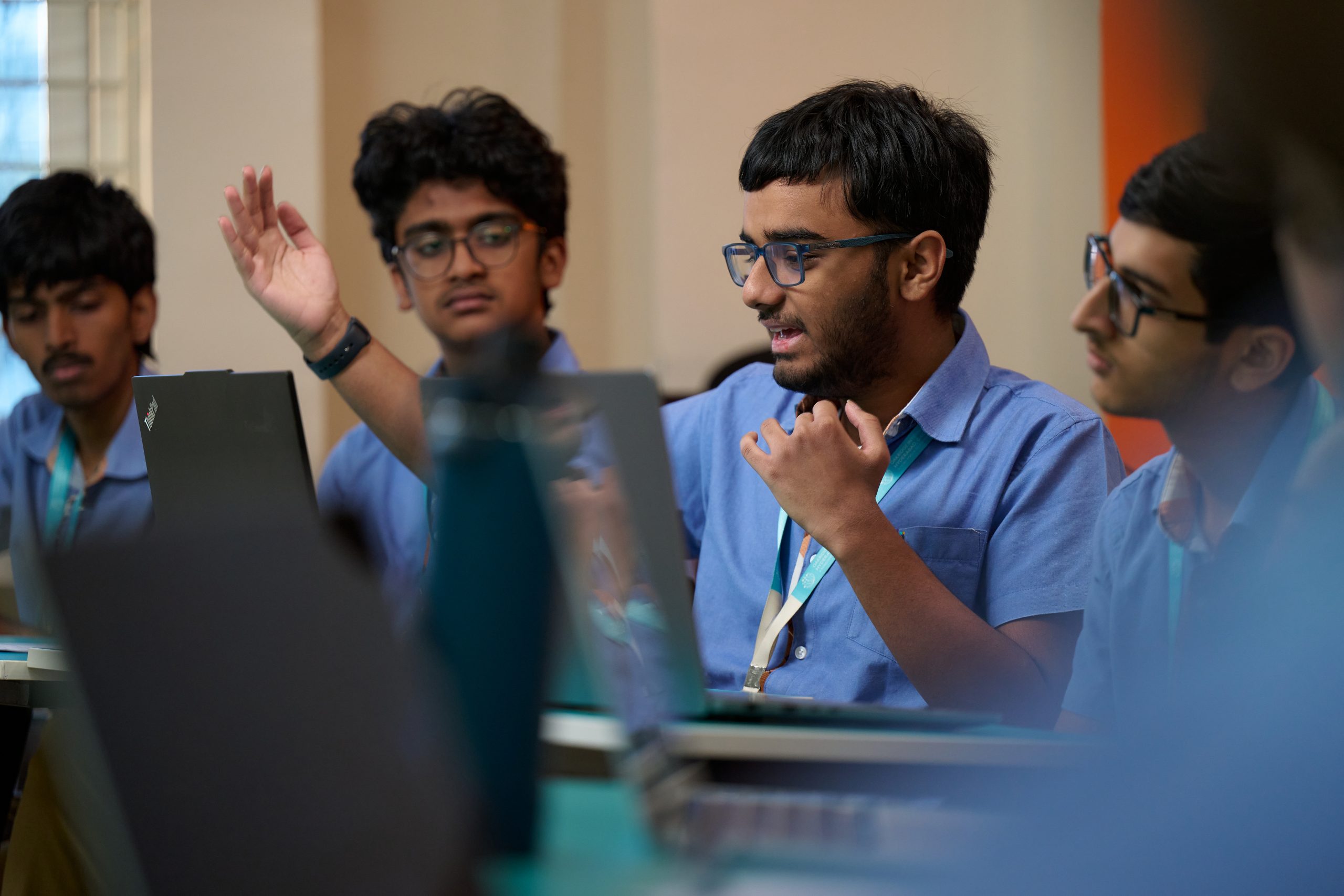
Students begin with a focused induction programme during their first days on campus. Rather than generic welcome sessions, the induction introduces the core components of the IB Diploma Programme. Students are oriented to Extended Essay, Theory of Knowledge, and Creativity, Activity, Service requirements, as well as inquiry-based learning, academic integrity, and assessment formats.
These early classroom experiences link expectations to everyday practice through sessions on time management, research skills, and subject-specific demands. The emphasis is on making standards explicit, not abstract, particularly for students new to international assessment styles.
Following induction, students enter a bridge course tailored to the specific academic needs of each cohort, designed to address variation across Grade 10 curricula. While this transition phase is typically conducted over two weeks, its duration may be extended or adjusted based on subject requirements. This flexible approach is central to how Oakridge School’s transition support helps reduce long‑term academic risk and ensures students are well prepared for the demands of the Diploma Programme.
“The bridge programme focuses on key prerequisite concepts and academic skills needed for the Diploma Programme,” notes Subramanian. “Students engage in subject-specific modules, skill-building sessions around command terms, and exposure to DP-style assessments.”
Continuous formative checks during this period allow teachers to identify remaining gaps early. At the end of the bridge phase, diagnostic assessments confirm readiness or highlight areas needing further support. This ensures that progression into demanding academic programmes is evidence-led rather than assumption-based.
What distinguishes the best schools in Gachibowli is not flexibility without structure, but structured flexibility anchored in academic oversight. By linking diagnostic assessment, classroom practice, and post-bridge evaluation, Oakridge creates continuity across transitions.
For parents worried about whether a curriculum switch or relocation might affect university pathways, this coherence matters. Academic challenges are identified early, monitored systematically, and addressed within defined frameworks rather than informally or reactively.
At Oakridge Gachibowli, international school transition support is not a temporary adjustment but a deliberate academic process. Families who want to understand how transitions are managed, monitored, and aligned to long-term outcomes are always welcome to speak with academic leaders and ask detailed questions about curriculum pathways and expectations.