How the Oakridge IB programme in Hyderabad builds future-ready learning pathways
- 14 May 2026

For many families, choosing an international curriculum is a long-term academic decision rather than a short-term solution. Parents want to understand how today’s subject choices, learning habits and guidance structures will shape university readiness and future opportunities. These concerns sit at the heart of the Oakridge IB programme in Hyderabad, where the focus is not only on outcomes but on the clarity and structure that lead to them.
At Oakridge Gachibowli, the International Baccalaureate is approached as a continuum of learning and guidance rather than a sudden leap in the final school years. The aim is to help students build the skills, judgement and academic habits needed to navigate future pathways with confidence.
One common misconception about the IB Diploma Programme is that it begins and ends with subject difficulty. In practice, its strength lies in how academic rigour is embedded alongside transferable skills.
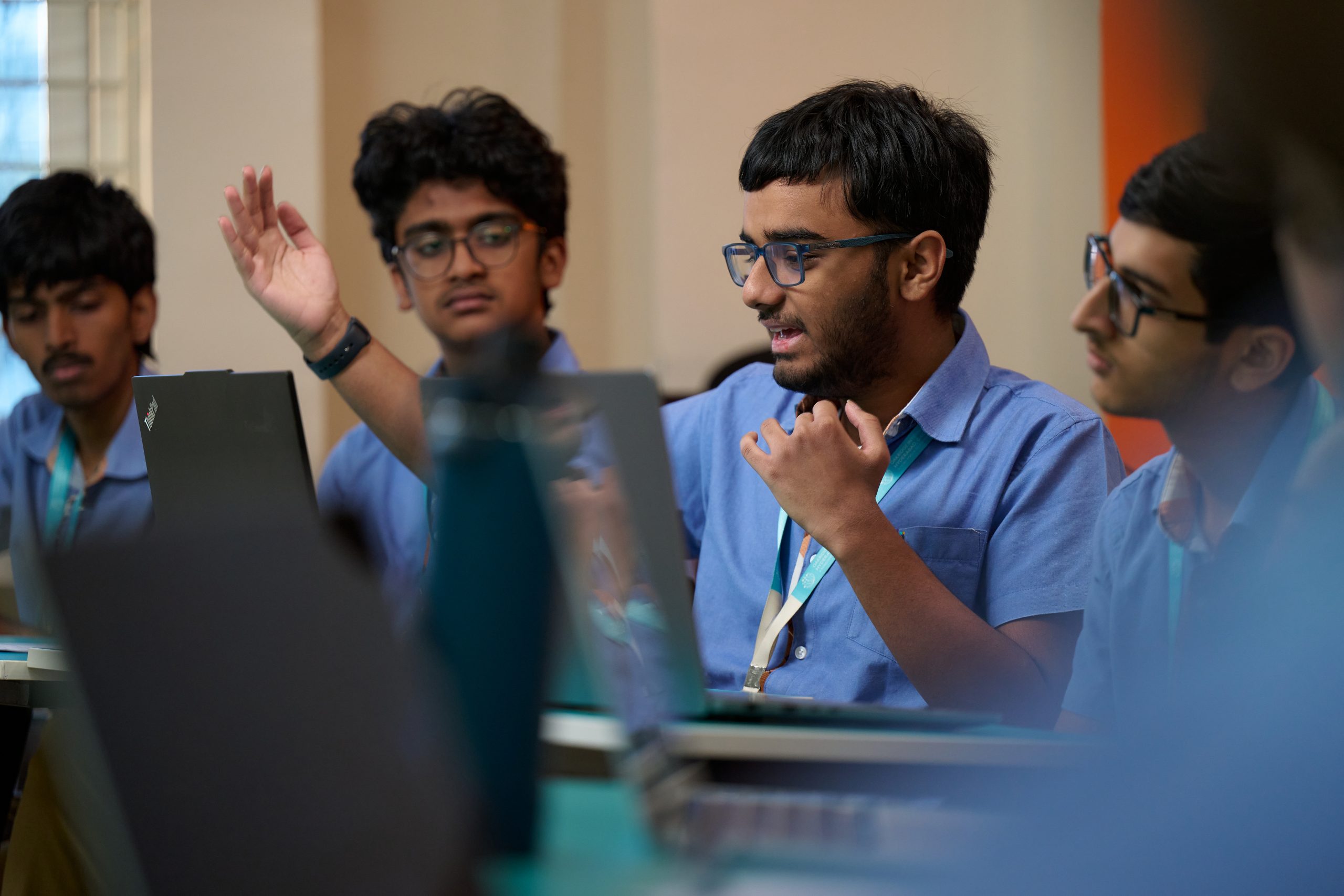
“At Oakridge Gachibowli, future‑ready skills are developed through experiential learning, collaboration, and inquiry‑based problem‑solving linked to real‑world contexts,” explains Deepalatha Subramanian, Head of IBDP. “Within the IB Diploma Programme, core components such as Creativity, Activity and Service (CAS), the Extended Essay (EE), and Theory of Knowledge (TOK) play a central role in building critical thinking, communication, academic integrity, and adaptability. Complementing these, student‑led initiatives like Model United Nations, extended science investigations, and other research‑driven projects provide additional platforms for students to apply these skills in authentic contexts, strengthening their learning beyond the curriculum.”
This integration matters because it ensures that skill development is assessed, monitored and refined in the same structured way as subject knowledge. Students are expected to plan, reflect and apply learning consistently, rather than accumulate activities without purpose. For parents seeking strong academic oversight, this alignment provides reassurance that learning remains disciplined and coherent.
In the Oakridge international curriculum pathway, academic and career guidance does not begin in the final year. It is introduced deliberately during the Middle Years Programme and evolves as students mature. Early years focus on exploration and self-awareness, while senior years bring structure and specificity.
“Guidance begins in the middle years through broad exploration and gradually becomes more focused subject and career counselling as students move towards the Diploma Programme,” says Ms Subramanian. “This progression helps students make informed decisions that align with both university aspirations and individual strengths.”
This staged approach allows teachers and counsellors to observe patterns over time, not just snapshots of performance. Academic progress, subject aptitude and learning preferences are discussed regularly, ensuring that guidance is based on evidence rather than assumption.
For academically driven families, one concern is whether an international curriculum forces early decisions that later limit options. At Oakridge Gachibowli, systems are designed to avoid premature narrowing while still maintaining rigour.
Students are encouraged to explore a broad range of disciplines through classroom learning, clubs and collaborative projects before formal subject selection. Structured orientation sessions in Grade 10, combined with individual counselling meetings involving students and parents, provide clarity without pressure.
“By the time students select subjects for DP Year 1 and Year 2, decisions are made with a clear understanding of demands, expectations and future pathways within the IB framework,” Ms Subramanian notes. This process supports confidence, particularly for parents who value transparency and shared decision-making.
In classrooms, the IB framework at Oakridge is implemented with close monitoring of progress through formative assessment, structured feedback and subject-level review meetings. Teachers are trained to connect curriculum expectations with individual student development, ensuring consistency across subjects.
This combination of oversight and autonomy prepares students for the type of independent learning expected at leading universities, while retaining the structured support families expect during school years. It is one reason Oakridge Gachibowli is recognised among best IB schools in Hyderabad and broader international education circles.
Ultimately, the strength of the Oakridge IB programme in Hyderabad lies in its balance. Academic challenge is matched with careful guidance, and independence is built within clear frameworks. For families exploring Oakridge Cambridge curriculum Hyderabad or the IB pathway, this consistency across programmes supports informed progression rather than abrupt transitions.
As part of Oakridge International School, Gachibowli, the focus remains steady: high standards, clear systems and thoughtful preparation for future pathways. Parents who wish to understand how curriculum choices link to long-term outcomes are welcome to engage in conversations with academic leaders, ask questions and explore what structured international education can offer their child.