7 Essential Elements of a Truly Global Classroom Every Parent Should Look For
- 9 March 2026


Your child will grow up in a world that is connected, fast, and bursting with ideas. A truly global classroom helps them feel at home in that world. It teaches them to listen well, speak with confidence, and work with people from different cultures. Here are seven elements to look for when you visit a school.
1) Many Voices, One Room
You should see and hear diversity in everyday lessons. Students bring their cultures into discussions and projects. Teachers invite different viewpoints and treat them with care.
Ask: How do you include different cultures in daily learning, not just on special days
2) Curriculum With World Links
Math, science, literature, and art connect to global themes. A fractions lesson might use food from different cuisines. A geography unit might link to the United Nations Sustainable Development Goals, explained in simple terms.
Ask: Can you show me recent work where a subject connected to a real global issue
3) Real Collaborations Beyond School
Students work with peers worldwide through virtual exchanges, shared projects, or joint presentations. They meet experts who solve real problems.
Ask: Which classes have partnered with a school overseas this year
4) Strong Communication Skills
Global classrooms value languages and active speaking. Students practice second languages, present to different audiences, and learn to disagree respectfully.
Ask: How often do students present to groups outside their class or country
5) Technology That Connects Safely
Video calls, shared documents, and online platforms support collaboration. Digital citizenship is taught clearly, so students use the web with care and respect.
Ask: What safeguards do you use when students work online with others
6) Service That Starts Local and Thinks Global
Children design projects that help their community and link to wider causes. They learn to measure impact and reflect on what worked.
Ask: Can you show me a student-led project and what changed because of it
7) Chances to Step Out of Comfort Zones
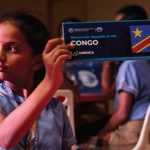
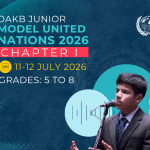
Trips, exchanges, competitions, Model UN, or arts residencies give students new settings to grow. Safeguarding stays front and center.
Ask: What preparation do you give students before a trip or exchange
A Real Moment
During a Grade 6 science project on clean water, a student team presented their lowcost filter to a partner class overseas. They fielded questions about materials that were easy to find locally. The students adjusted their design and tested it again. They learned more than science. They learned empathy, clarity, and courage.
Final Check When You Visit
Watch how students talk to each other. Look for maps, multilingual signs, global news boards, and student work that shows real audiences. Ask to sit in on a class that connects live with another school. You will feel the difference.
If you want a simple next step, request a class visit, a unit plan, and a recent example of a global project. The right school will be glad to show you.