Learning Styles in Children: Why One Method Doesn’t Fit All
- 4 May 2026

Every parent has seen this.
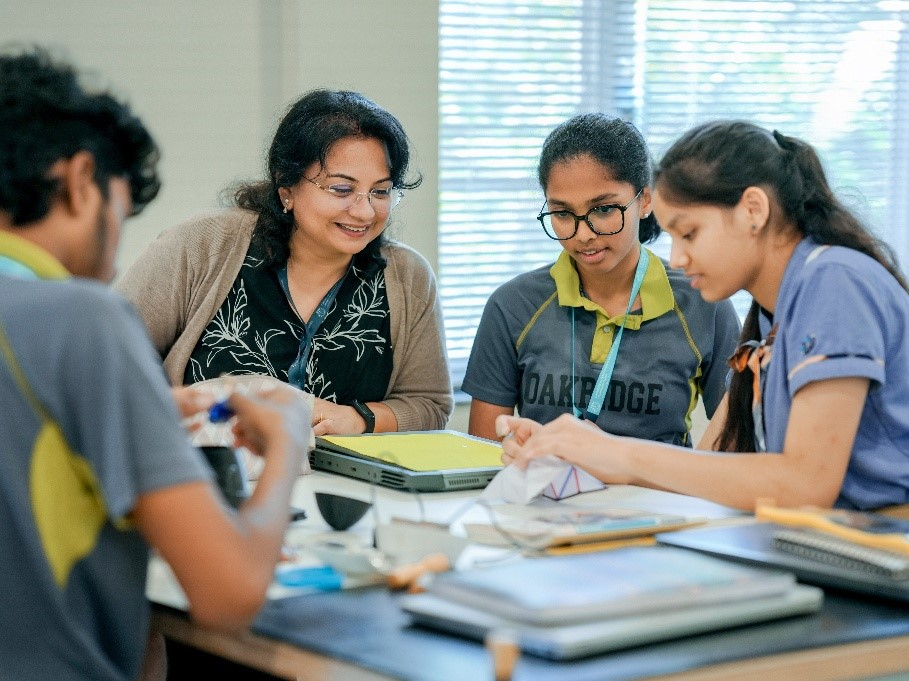
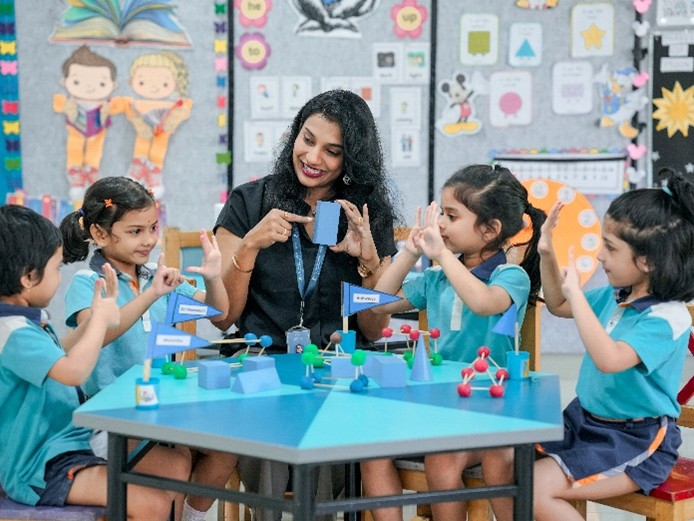
One child remembers everything after watching a video. Another needs to talk things out to understand. Someone else only learns when they actually do something.
Yet, in most classrooms, all children are expected to learn the same way. And that’s where the problem begins.
The short answer is no.
Children process information differently. This is often referred to as learning styles in children.
Some common ways children learn include:
Most children are not limited to just one style. But they do have preferences.
And when teaching doesn’t match that preference, learning becomes harder than it needs to be.
Many traditional classrooms follow a fixed method:
This works for some children. But for others, it creates confusion, boredom, or even self-doubt.
Over time, you might hear:
In reality, the issue may not be the child’s ability. It may be the method.
Parents often notice changes before anyone else.
Here are a few signs your child’s learning style may not be supported:
These are not signs of weakness. They are signals.
When children learn in a way that suits them:
This is especially important in early and middle school years, when attitudes toward learning are formed.
You don’t need to change everything overnight. Small shifts can make a big difference:
The goal is simple: make learning feel natural.
Even with support at home, children spend most of their learning hours in school. If the classroom approach remains limited, progress can feel slow.
A supportive learning environment should:
When teaching adapts to the child, everything changes.
Education today is evolving. The focus is slowly shifting from:
“How much did the child score?”
to
“How well does the child understand and apply?”
Recognising different learning styles is a step in that direction. Because when children are taught in ways that suit them, they don’t just perform better. They begin to enjoy learning again.
If you are exploring learning environments that support different learning styles and focus on holistic development, this is the right time to take that step.
At Oakridge International School, Visakhapatnam, learning is designed to adapt to different learning styles, not force every child into the same method.
Here, students experience:
The goal is to help every child learn in a way that works best for them.
As one of the leading international schools in Visakhapatnam, Oakridge offers a future-ready approach to education that supports both academic success and personal growth.
Admissions now open for the upcoming academic year. Book a campus tour and interact with our academic team.